
Why Dining Room Furniture Should Match Eating Habits
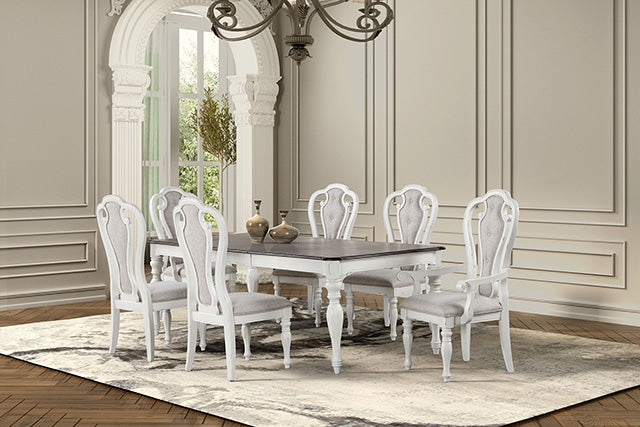
Your dining room isn’t just a place to put a table and some chairs. It’s the central hub where eating habits form, evolve, and either flourish or fall apart. In 2024-2025, most households don’t eat as they did a decade ago. Quick breakfasts happen standing at the kitchen counter. Remote-work lunches blur into email marathons. Family dinners compete with screens, schedules, and the ever-present temptation of the sofa.
Since 2020, casual and flexible meals have become the norm, couch dinners, kitchen-island snacks, and meals eaten in shifts rather than together. But here’s the thing: the right dining room furniture can bring people back to the table. Not through guilt or discipline, but through design that actually fits how you live.
This article will show you how to match table shape, chair design, layout, and materials to specific eating habits. Whether you’re trying to encourage slow family meals, accommodate solo snacking, create space for kids’ homework at the dinner table, or prepare for frequent hosting, choosing dining room furniture thoughtfully makes all the difference.
Wall colors and decorative touches matter, but they’re secondary to the physical impact of furniture on posture, reach, and how long people stay seated. You’ll find concrete dimensions here, 28–30 inch tables, 18–20 inch chair seats, and practical advice rather than generic interior design tips.
How Eating Habits Should Drive Every Dining Furniture Decision
Most people shop for dining furniture by style first. They browse photos, pick a look, and hope it works. That’s backwards.
Start with your daily routines instead. Ask yourself: How many people sit down together? How often? For how long? The answers should shape every furniture decision you make.
Consider these four concrete lifestyle patterns:
-
Family of four eating together 4–5 nights a week: Needs a table sized for comfortable shared dishes, supportive chairs that encourage lingering, and storage for everyday plates within arm’s reach.
-
Couple working from home and eating at irregular times: Benefits from a smaller, multifunctional table that clears quickly and comfortable seating that works for both 15-minute lunches and longer weekend meals.
-
Shared house hosting friends twice a month: Requires extendable tables, stackable extra seating, and durable surfaces that handle wine glasses and late-night snacks.
-
Solo professional grabbing quick daily meals: Does well with a compact setup near natural light, easy-clean materials, and a layout that makes sitting down feel faster than eating over the sink.
Meal duration matters enormously. A 10-minute breakfast needs different furniture than a 45-minute family dinner. Time of day and frequency of guests should influence table size, chair comfort, and how much closed storage you keep nearby for serving dishes and table linens.
Here’s something most people overlook: chronic “eat-and-run” habits are often reinforced by hard seats, cold surfaces, and cramped layouts, not just by busy schedules. When simply sitting down feels uncomfortable, people eat faster. When the dining area feels like an obstacle course, they migrate to the sofa. Your furniture creates the conditions for your habits, whether you realize it or not.
Table Shape and Size: Matching Geometry to Meal Patterns
Table geometry subtly shapes conversation, sharing, and how long people stay seated. Round, rectangular, square, and oval tables each create different dynamics, and each suits different eating habits.
The table shape you choose affects everything from how easy it is to pass serving dishes to whether everyone can make eye contact. A mismatch between your table and your habits creates friction. The right match removes it.
Round and Oval Tables: For Inclusive, Slow-Paced Meals
Round tables and small oval tables eliminate head-of-table hierarchy. There’s no power position, no one stuck at the end. This makes them ideal for families who want equal conversation flow and relaxed, lingering meals.

Tables under about 48 inches in diameter keep everyone within easy talking and serving distance. This works especially well for shared dishes and young children who need help reaching food. Research on psychological layouts suggests round tables boost conversation by an estimated 25–30% compared to rectangular configurations.
Round tables suit square rooms and households that prioritize nightly dinners and weekend brunches over large formal gatherings. Think Saturday pancake breakfasts where everyone reaches for the syrup, or board game nights that stretch past dessert.
For couples or two-person households, a 30–36 inch bistro-style round table can encourage intentional sit-down meals instead of eating on the sofa. The intimacy of the shape naturally promotes eye contact and meaningful conversation.
Specific recommendations:
-
36–42 inch diameter for couples or small families
-
48–54 inch diameter for families of four to six who want room for platters
-
Oval shapes work well in narrow rooms while maintaining the inclusive feel
Rectangular and Square Tables: For Structure, Homework, and Hosting
Rectangular tables naturally create zones. One end holds serving platters. The other accommodates a child doing homework during snack time. The middle section works for everyday meals. This zoning suits multitasking households where the dining space serves multiple purposes.
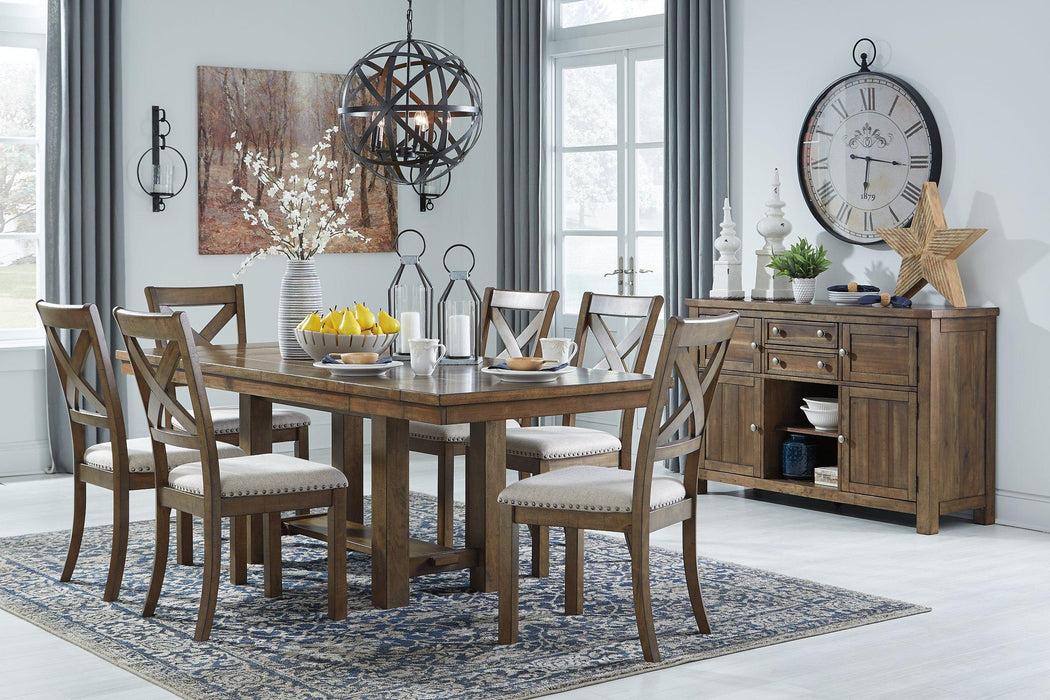
For families of four to six, 60–72 inch rectangular tables provide comfortable elbow room without overwhelming a standard dining room. For frequent hosts who regularly seat eight or more, 84–96 inch options work better. These longer tables excel at holiday gatherings and structured, multi-course formal dinners.
Interestingly, long rectangular tables can actually speed up weekday meals. The linear arrangement allows faster platter passing, about 20% more efficient than round configurations, and the distinct seating positions encourage quicker turnover. For formal meals and special occasions, this same structure supports the pacing of multiple courses.
Square tables around 40–48 inches suit compact dining rooms and small households that enjoy face-to-face meals but rarely entertain large groups. They split the difference between round intimacy and rectangular efficiency.
Space planning rule: Leave roughly 90 cm (about 36 inches) clearance around the table for comfortable movement. Less than that creates the cramped feeling that drives people to eat elsewhere.
Chair Design and Comfort: Aligning Seating with Meal Length
Chairs are the clearest link between dining furniture and eating habits. Uncomfortable chairs shorten meals. Comfortable chairs extend them. It’s that simple.
Target these dimensions for adult seating: 18–20 inch seat height to pair with a standard 28–30 inch table height. This combination supports good posture for most adults, maintaining the 90–110 degree knee angle that ergonomic research shows reduces physical discomfort during meals.
Families who value long nightly dinners and weekend gatherings should prioritize ergonomic seating and cushioning. Research links poor ergonomics to reduced satiety signals, discomfort prompts faster eating, and can increase overconsumption by up to 20% in mismatched setups. Quick-breakfast households may accept firmer seats, but anyone trying to cultivate longer meals and healthier eating habits should invest in chair comfort.
Different diners need different solutions. Children often require booster cushions. Older adults benefit from chairs with arms for easier sitting and standing. Tall people need slightly deeper seats. How many chairs you need depends on your household size plus typical guest count, but the quality matters more than the quantity.
Upholstered vs. Hard Seats: Choosing Comfort to Match Routine
Upholstered dining chairs naturally encourage longer sit-down meals. Studies show upholstered armchairs average around 45 minutes of sit-time, making them ideal for families that regularly eat together for half an hour or more.
Contrast this with solid wood, metal, or plastic chairs. These suit quick breakfasts, small apartments where visual simplicity matters, or spaces where the table handles crafts, painting, and other messy projects. Armless chairs with hard seats can cut meal duration by 15–20%, which might be exactly what you want for hectic weekday mornings, but not for the family dinners you’re trying to protect.
Practical considerations for family life:
-
Stain-resistant fabrics handle spills from everyday meals
-
Removable cushions can be washed after tomato sauce disasters
-
Wipe-clean materials work for homes with young children or pets
-
Dark colors hide minor stains better than light upholstery
A smart compromise: upholstered chairs for main family seats, with a bench or hard chairs on one side for occasional guests or kids’ homework sessions. One family in a two-bedroom apartment solved their nightly pasta dinner challenge by choosing easy-clean faux leather seats in a dark charcoal, comfortable enough for lingering, practical enough for a toddler’s mess.
Arms, Back Height, and Seat Depth: Fine-Tuning for Eating Style
Chairs with arms promote slower, more anchored eating. You settle in. You stay put. This makes armed chairs suitable for long Sunday lunches, multi-course formal meals, and any dining experience where you want family members to linger over meaningful conversation.
The tradeoff: armed chairs reduce how many seats fit around a table. They also slow the in-and-out movement that busy households rely on during weekday meals.
Armless, slim-profile chairs support higher seating capacity and quicker movement. They work well when people eat in shifts, when kids pop up and down during meals, or when the priority is efficiency over extended family bonding.
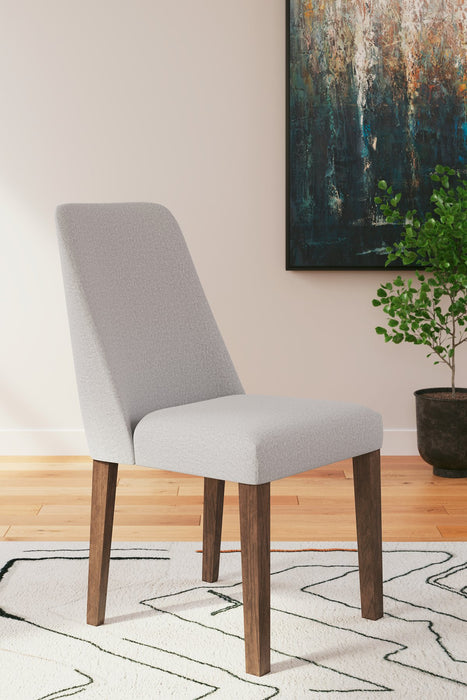
For households where people use the dining area to work on laptops for several hours between meals, consider higher backs and better lumbar support in your ergonomic chairs. Seat depths around 16–18 inches allow people’s feet to rest flat while their backs stay supported, important whether you’re finishing dinner or finishing a report.
Match chair design to real behaviors: scrolling on phones after dinner, helping kids with homework at the table, lingering over coffee with a partner. Each habit has furniture implications.
Layout and Flow: Designing a Room You’ll Actually Eat In
Even the best table and comfortable chairs will go unused if the dining room feels cramped, awkward, or cut off from the kitchen.
The layout should follow real traffic patterns. Think about carrying hot dishes from the stove to the table. Getting up for seconds. Children moving in and out between bites. The path from meal preparation to eating needs to feel natural.
Advise leaving clear walkways of around 90 cm (about 36 inches) around the table, and more near doorways. Anything tighter forces people to squeeze past chairs, bump into family members, and generally feel rushed. That friction shortens meals.
Households prone to eating on the sofa might not lack discipline; they might be reacting to tight, uncomfortable circulation in their dining area. Fix the flow, and the table becomes usable again.
Positioning the Table for Daily Use, Not Just Holidays
Placing the table close to the kitchen and within sight of natural light makes spontaneous, everyday meals more likely. When the dining space feels connected to where food is prepared, sitting down becomes the path of least resistance.
Families who currently only use their table on special occasions should try moving it away from walls and clearing permanent stacks of household paperwork. These small changes signal “this is for meals” rather than “this is storage with chairs.”
In open-plan rooms, centering a table under a pendant light creates a clear mealtime zone. The pool of light defines the dining area psychologically, encouraging regular sit-down dinners even when the sofa is ten feet away.
Pushing a table against a wall may suit solo diners or tiny spaces, but it can discourage full-family meals where everyone faces each other. The same principle applies to corners: tucked-away tables become forgotten tables.
Before-and-after example: One family moved their table just one metre closer to the kitchen and swapped a heavy, dark tablecloth for a simple runner. Weeknight use increased noticeably because grabbing plates and sitting down felt faster and less formal.
Storage and Surfaces: Reducing Friction Around Meals
Storage pieces like sideboards, buffets, or storage benches placed within a few steps of the table cut down setup and cleanup time. This convenience encourages more frequent use of the dining room setting.
Keep everyday plates, cutlery, napkins, and serving bowls in the dining room itself. When everything lives in the kitchen, family members are more likely to eat standing or carry plates elsewhere. When the table is ready to go, people use it.
Clutter-free table surfaces matter enormously. No permanent stacks of mail. No abandoned laptops. A clear table signals that the room is meant for eating and conversation, not just a place to dump things.
For households where visual clutter creates anxiety, and rushed meals or snacking elsewhere, closed storage helps more than open shelving. A narrow console holding weeknight pasta dishes and salad bowls, with cabinet doors hiding the mess, can transform how the space feels and how often friends gather there.
Materials, Colours, and Cleaning: Supporting Real-World Eating Habits
Materials and colors aren’t purely decorative choices. They impact appetite, noise levels, and cleanup stress, all factors that determine whether your dining furniture supports or undermines your eating patterns.
Households with young children or frequent spills should prioritize durable, wipeable table surfaces. Sealed wood, laminate, and ceramic tops handle real-world family life far better than high-maintenance finishes that demand coasters and placemats.
Warm wood tones and textured fabrics support relaxed, longer meals. Research shows warm material textures like fabric chairs increase perceived intimacy and can extend social meals by 10–25%. Very glossy, hard surfaces and stark color contrasts tend to encourage quicker eating by evoking formality and signaling brevity.
Match materials to actual habits: nightly home-cooked dinners need easy cleanup; frequent takeaway meals need surfaces that don’t show grease; occasional formal entertaining can justify slightly fussier finishes.
One underrated factor: noise. Hard chair legs scraping on tile or wood subtly speed up meals by creating an anxious soundscape. Felt pads on chair legs or a rug under the table can calm the dining experience and contribute to an inviting atmosphere that encourages mindful eating.
Colour Choices that Match Appetite and Mood
Color psychology in dining spaces is real, not just designer speculation.
Warm hues, reds, oranges, and warm woods tend to stimulate appetite and encourage social energy. These work well for households wanting more food on the table and more conversation around it. Cooler tones like blues and greys feel calmer and may suit slower, quieter meals for smaller households.
If you want energy at dinner without visual overstimulation, use stronger colors on chairs or table bases rather than large tabletops. A warm-toned wood table with neutral chairs, or a neutral table with colorful cushions, provides the right balance.
Households trying to slow down fast-eating habits might benefit from softer, muted palettes that reduce sensory overload. When everything competes for attention, bright wall colors, patterned tablecloths, and busy artwork, people eat faster to escape the chaos.
Visual harmony matters: Coordinate furniture colors with fixed elements like floor tone and wall colors to avoid a clash that makes the room feel stressful. The goal is a comfortable environment where people want to linger.
Easy Cleaning for Consistent Family Meals
Hard-to-clean materials create invisible barriers to nutritious eating. Unsealed wood, light linen upholstery, and intricate chair carvings make people reluctant to serve messy but healthy meals, tomato sauces, curries, and berry-topped breakfasts.
Child-friendly and pet-friendly options include:
-
Wipeable performance fabrics on seats
-
Stain-resistant table finishes
-
Chair slipcovers that can be removed and washed
-
Medium-tone surfaces that hide minor crumbs and smudges
Easy-clean dining furniture leads to more frequent sit-down meals because cleanup feels manageable on busy weeknights. When people know a spill isn’t a disaster, they’re more willing to attempt a real dinner instead of grabbing something from the kitchen counter.
Specific example: A medium-tone oak table with a sealed finish paired with dark, wipeable chair covers works well for a family with toddlers. The table handles Play-Doh and pasta sauce. The chairs survive juice spills. And the whole setup invites rather than discourages regular use.
Multifunctional Use: When the Dining Table Is Also a Desk

Since 2020, many households have used the dining table for remote work, homework, crafts, and puzzles. This can either support or undermine regular meals, depending on how you manage it.
If laptops and paperwork constantly occupy the table, people are more likely to eat on the sofa or in bedrooms, fragmenting family eating habits. The table becomes not just a place for work but exclusively a workspace, and meals migrate elsewhere.
Households relying on the dining table as a work surface should choose tables with enough depth, around 36–40 inches, and stable construction to handle devices and meals without feeling cramped. The same table that holds two laptops during work hours needs to comfortably hold dinner plates, serving dishes, and elbows at 6:30 pm.
Clear storage spots for work items make the transition possible. Drawers, rolling carts, or nearby shelving let family members fully clear the table before meals. Space-saving features like wall-mounted shelves or a small craft area nearby can absorb the overflow.
Concrete weekday scenario: Laptops close at 6:00 pm. Work materials go into a console drawer or rolling cart. The table gets wiped down. By 6:30, placemats are out, and the perfect ambiance for dinner emerges, same table, completely different purpose.
Setting Boundaries Between Eating and Working
Matching furniture to habit also means supporting psychological boundaries. In multifunctional spaces, small signals help the brain switch modes.
Using placemats or a table runner during meals creates visual separation from “desk mode.” The same wooden surface transforms with these personal touches. Some households use different lighting, pendant light on for dinner, off during work hours, to reinforce the shift.
Choose chairs that are comfortable for 45–60 minute meals, but not so task-focused that they encourage endless late-night work at the table. Ergonomic seating supports both purposes, but the right dining room experience requires conscious awareness that the table serves different functions at different times.
In small apartments, consider dedicating a specific chair or side of the table for work and another for eating. Even in studio layouts, this separation helps the brain recognize “now we eat” versus “now we work.”
People who constantly snack while working might benefit from a slightly smaller table reserved exclusively for meals, separating it from a larger workstation. This isn’t always possible in tight spaces, but when square footage allows, the separation reinforces healthier eating habits and more intentional meal times.
Conclusion: Choosing Furniture That Reinforces the Habits You Want
Quality dining room furniture should be selected by asking, “How do we actually eat now, and how do we want to eat in the future?”, not just “What looks stylish?”
The key lies in matching physical furniture to real behavior patterns:
|
Element |
Impact on Eating Habits |
|---|---|
|
Table shape |
Influences conversation flow, sharing style, and social dynamics |
|
Table size |
Controls portion visibility and guest capacity |
|
Chair comfort |
Directly determines meal duration and willingness to sit down |
|
Layout and flow |
Decides whether the space gets used daily or abandoned |
|
Materials and cleaning |
Affects whether you serve real meals or grab convenient snacks |
|
Storage and surfaces |
Shapes how quickly the table clears and resets |
Start with one concrete change. Upgrade your chairs to supportive chairs that make 30-minute meals comfortable. Resize your table to match your actual household, not your fantasy dinner party. Clear a permanent path around the table so walking to your seat doesn’t require an obstacle course.
The most successful dining rooms in the coming years will be those that honestly reflect the household’s real routines while gently encouraging more shared, mindful eating. Your dining experience doesn’t depend on having the perfect table for a magazine photo; it depends on having thoughtful furniture choices that match how you actually live.
When the table fits your life, you use it. When you use it, family connection strengthens, daily meals become rituals rather than interruptions, and the dining room becomes what it should be: the place where your household actually gathers.
Upgrade Your Dining Room with Big’s Furniture

Your dining room should be a space where comfort and style come together for meals and gatherings. At Big’s Furniture, our dining room furniture collection features tables, chairs, and complete sets designed to suit both everyday use and special occasions. Each piece is crafted for durability, comfort, and a look that complements your home.
Browse our dining room furniture today and find the perfect pieces to enhance your space. Whether you’re updating an existing dining area or furnishing a new one, Big’s Furniture has options to make your dining room functional, stylish, and inviting.