
Why Mattress Support Matters for Sleep Quality

You spend roughly one-third of your life in bed, yet most people give more thought to choosing a smartphone than selecting a mattress that properly supports their body. Mattress support is one of the most important, but often overlooked, factors in achieving high-quality sleep, and getting it wrong can quietly undermine your energy, mood, and physical health for years.
Here's an important distinction: support is not the same as hardness. True support means keeping your spine in a healthy, neutral position while still providing enough cushioning to feel comfortable throughout the night. A rock-hard surface might seem "supportive," but if it creates painful pressure points at your shoulders and hips, it's failing at its job.
Modern life has made restorative sleep more critical than ever. Hours spent hunched over desks, staring at screens, and managing daily stress all take a toll on your body. Without proper spinal alignment during sleep, you're essentially spending eight hours compounding the damage rather than recovering from it.
This article will show you exactly how mattress support influences your sleep stages, pain levels, and long-term well-being. More importantly, you'll learn how to choose the right mattress and identify the right level of support for your body type and sleep style.
The Science Behind Sleep and Mattress Support
Understanding the science of sleep helps explain why your mattress matters so much. Each night, your body cycles through distinct stages: light sleep (N1 and N2), deep sleep (N3), and REM rapid eye movement sleep. Each stage serves a different purpose, from physical restoration during deep sleep to memory consolidation and emotional processing during REM.
Poor support increases micro-awakenings, brief, often unnoticed wakes that fragment your sleep cycle and reduce the time you spend in deep sleep and REM stages. Research using polysomnography (brain wave monitoring during sleep) has shown that people sleeping on inadequate surfaces experience more wake-after-sleep-onset time and spend longer in light sleep stages rather than the restorative, deeper phases.
When a supportive surface keeps your spine aligned from head to tailbone, your muscles can truly relax. This relaxation allows your body to sink into deeper sleep states more quickly and stay there longer. Studies comparing mattress firmness levels found that people on medium-firm surfaces fell asleep in about 7.7 minutes on average, compared to over 12 minutes on softer, less supportive options.
Research over the last two decades has consistently linked supportive, medium-firm mattresses to better sleep efficiency and reduced pain compared to very soft or sagging beds. One study found that replacing mattresses over 5 years old with supportive innerspring systems resulted in a 55% improvement in sleep quality scores.
However, support needs vary by body weight and sleep position. The science must be applied personally rather than assuming one "perfect" mattress exists for everyone.
How Proper Support Reduces Back and Joint Pain
If you wake up with lower back pain, stiff hips, aching shoulders, or neck pain that improves as the day goes on, your mattress may be failing you. These common complaints often trace directly back to poor mattress support that allows your spine to twist and bend out of its natural alignment during the night.
When a mattress sags or is overly soft, heavier body areas like hips, pelvis, and shoulders sink too far into the surface. This bending forces the spine out of its neutral "S" shape, straining muscles, ligaments, and joints throughout the night. Instead of recovering, your body spends eight hours fighting gravity in an awkward position.
Consistent, even support redistributes your body weight across the entire sleeping surface. This reduces concentrated pressure on vulnerable areas like:
-
The lumbar spine (lower back)
-
The sacrum (base of the spine)
-
Major joints, including hips, shoulders, and knees
Different sleepers benefit in specific ways. Side sleepers with hip pain need support that keeps their pelvis level. Office workers with lower-back strain require firm core support to prevent midsection sagging. Older adults with arthritis benefit from pressure relief at joints combined with proper support to maintain spinal alignment.
Research demonstrates these benefits clearly. One intervention study found a 48% reduction in back pain when participants replaced mattresses over 5 years old with properly supportive options, dropping average pain scores from 37.1 to 19.3 within the first month.
Waking up with less stiffness and pain is one of the clearest signs that mattress support is adequate. If you need 30 minutes of stretching just to feel functional each morning, your mattress is likely part of the problem.
How Support Influences Overall Sleep Quality
What does overall sleep quality actually mean in practical terms? It's about how quickly you fall asleep, how often you wake during the night, how refreshed you feel at 6:00–7:00 a.m., and whether you need naps or extra caffeine just to function. Poor sleep quality shows up as daytime fatigue, brain fog, and that frustrating feeling of never quite catching up on rest.
A supportive mattress limits tossing and turning by preventing pressure points at the shoulders, hips, and knees. When these areas receive proper cushioning alongside spinal support, you feel less urge to shift position throughout the night. This means less disruption to your sleep patterns and more time spent in quality sleep stages.
Good support also stabilizes the sleeping surface, so movements, like turning over or adjusting position, are less jarring and less likely to wake you fully. This motion isolation benefit matters especially for couples, where one partner's restlessness can disrupt the other's sleep.
An 8-week study using wearable sleep tracking found measurable improvements in:
|
Sleep Metric |
Improvement |
|---|---|
|
Total sleep duration |
Increased |
|
Time awake after falling asleep |
Decreased |
|
Deep sleep percentage |
Increased |
|
Light sleep time |
Optimized |
Many people notice better sleep quality when they spend a few nights on a newer, more supportive mattress compared with an older, sagging one, even when keeping the same bedtime and room conditions. The mattress matters.
Connection Between Mattress Support and Mental & Emotional Health
Restless, shallow sleep from poor support leaves your brain less time in the deep sleep and REM stages that regulate mood, memory, and stress response. These aren't luxury phases of sleep; they're essential for mental clarity, emotional regulation, and memory consolidation.
Chronic sleep disruption is linked to higher levels of anxiety, irritability, and difficulty focusing the next day. When your mattress forces constant position adjustments and micro-awakenings, you're effectively short-changing your brain's nightly maintenance cycle. Over time, this creates a deficit that affects everything from work performance to relationships.
Better mattress support can indirectly improve emotional resilience by making it easier to achieve consistent, uninterrupted sleep over many nights. Studies tracking mood improvements alongside sleep quality found significant reductions in perceived stress, better scores on mood assessments, and decreased daytime fatigue after switching to a more supportive mattress.
Consider a busy professional or parent who feels perpetually "on edge" and struggles to focus during afternoon meetings. After improving mattress support and finally achieving restful sleep, they may find themselves more patient, more creative, and better able to handle daily challenges, not because life got easier, but because they're finally getting enough sleep of sufficient quality.
While a mattress cannot cure serious mental health conditions, it can remove one major barrier to restorative rest, which is a key part of any wellness plan. If you're investing in therapy, meditation, or stress management but ignoring where you sleep, you may be undermining your own progress.
The Impact of Poor Mattress Support
A poor mattress rarely causes obvious problems overnight. Instead, insufficient support gradually builds up over months and years, slowly degrading your sleep health and physical health until you barely remember what restful nights feel like.
The consequences of sleeping on an unsupportive surface include:
-
Morning back pain that takes an hour to fade
-
Tight neck and shoulders upon waking
-
Numb or tingling arms and legs from compressed nerves
-
Persistent fatigue despite "enough" hours in bed
-
Difficulty achieving restorative sleep, even with good sleep hygiene
Poor support also encourages unhealthy sleep postures. You might find yourself twisting your spine into odd angles, propping your body with multiple pillows, or unconsciously curling into positions that strain muscles and ligaments. These compensations feel necessary in the moment but create lasting problems.
Long-term risks of ignoring mattress support extend beyond poor sleep:
-
Increased likelihood of chronic pain issues
-
Tension headaches from neck misalignment
-
Disruption to metabolism from fragmented sleep
-
Weakened immune function from lack of deep sleep
-
Higher risk of cardiovascular disease linked to chronic sleep disorders
Ignoring support issues for 5–10 years, the typical mattress lifespan can silently undermine overall health and productivity. That wrong mattress you've been tolerating isn't just inconvenient; it may be actively harming your health benefits from sleep.
How Mattress Support Works: Materials and Construction
Support comes from both the core structure of the mattress and the comfort layers on top. Understanding how these components work together helps you evaluate whether any given mattress will actually deliver proper support or just feel comfortable in a five-minute showroom test.
Innerspring Support Systems
Traditional innerspring mattresses use metal coils to provide structure. Key factors include:
-
Coil gauge (thickness of the wire, lower numbers mean thicker, firmer coils)
-
Coil count (more coils generally means more support points)
-
Coil type (pocketed coils move independently, reducing motion transfer)
These systems provide bounce, strong edge support, and good airflow.
Foam and Latex Cores
Foam and latex mattresses support your body by compressing proportionally under weight. Denser materials compress less, providing firmer support. Quality construction maintains contact with the natural curves of your spine while preventing excessive sinking.
The Support vs. Comfort Layer Distinction
Think of your mattress as having two main functions:
|
Layer Type |
Purpose |
Materials |
|---|---|---|
|
Support layers |
Maintain spinal alignment, prevent sagging |
Dense foam, coils, latex cores |
|
Comfort layers |
Cushion pressure points, providing an immediate feel |
Plush foams, quilting, gel-infused memory foam |
Support is like a building's foundation; it determines structural integrity. Comfort is like the interior finishes; it affects how the space feels, but relies on that foundation to work properly. A high-quality mattress needs both to work together.
Support Across Different Mattress Types
Each major mattress type can offer good support if properly designed, but they feel and respond differently. Your preferred sleeping style should guide which technology works best for you.
Memory Foam Mattresses
Memory foam supports by contouring closely to your body, filling gaps at the lower back and waist while cushioning pressure points. This relief pressure points approach works well for side sleepers who need their shoulders and hips to sink slightly while maintaining spinal alignment. Higher-density foams last longer and provide more consistent support over time.
Latex Mattresses
Latex provides more buoyant, springy support that keeps your body "on" the mattress rather than letting it sink deeply "into" it. This responsive feel makes position changes easier and suits combination sleepers who move frequently. Natural latex is also durable, often outlasting foam alternatives.
Hybrid Mattresses
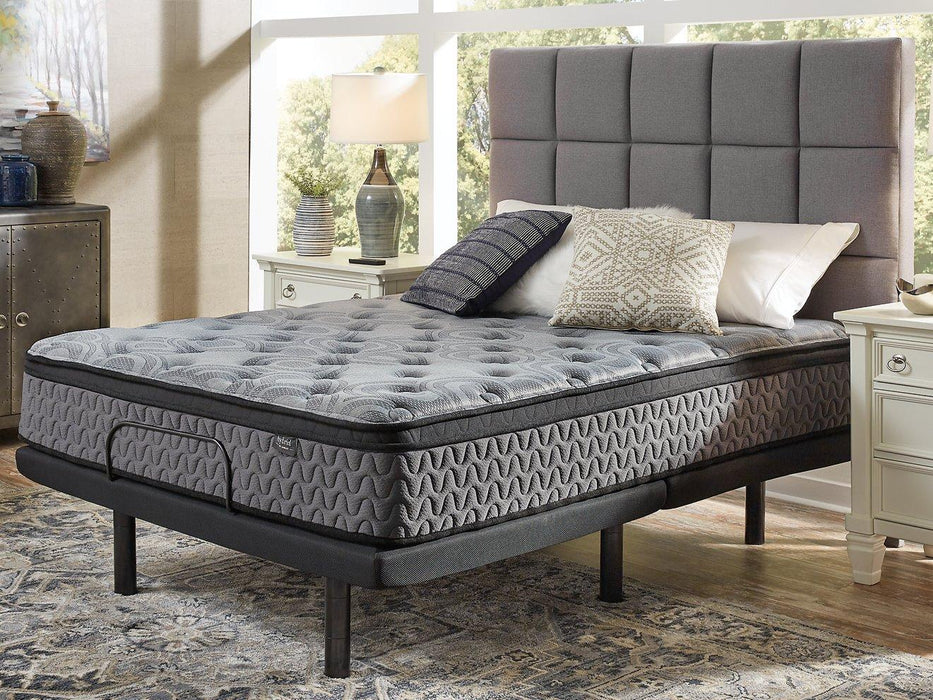
Hybrid mattresses combine coil support systems with foam or latex comfort layers. This design aims to balance spinal alignment, pressure relief, and ease of movement. The coils provide firm core support while the top layers cushion pressure points, often delivering optimal support for a wide range of body types.
Durability Considerations
Supportive feelings tend to last longer in:
-
High-density foams (1.8+ lb/ft³)
-
Quality natural latex
-
Well-constructed coil systems with tempered steel
A quality mattress with good materials will maintain spinal alignment over many years, while cheaper constructions may begin sagging within 2-3 years.
Support vs. Firmness: Clearing Up a Common Myth
Here's a misconception that causes countless bad mattress purchases: firm does not automatically mean supportive, and soft does not always mean unsupportive. Many people chase maximum firmness, thinking it will help their back, only to end up with worse sleep and more pain.
True support comes from how effectively the mattress holds your spine in a neutral position while cushioning pressure points. A medium-firm mattress typically achieves this balance, which explains why research consistently favors this firmness level for most sleepers.
The Problem with Very Hard Surfaces
A very firm mattress may keep your spine relatively straight, but it creates painful pressure at the shoulders and hips, especially for side sleepers. This leads to restless nights as your body constantly tries to escape the discomfort.
The Problem with Softer Mattresses
Softer mattresses may feel cozy at first, but they let the heavier midsection sink excessively, especially in adults over about 70–80 kg. This forces the spine into a hammock shape, straining the lower back and disrupting proper posture.
The Research Verdict
Studies comparing soft, medium, and hard mattresses found that medium firmness (around 64.6 on the 100mm Hand Feeling scale) produced:
-
The shortest time to fall asleep
-
The most consistent sleep efficiency scores
-
The smallest variation in sleep quality between different body types
For most sleepers, a balanced medium or medium-firm feel works best. Adjustments should be based on body weight, sleep position, and personal preferences rather than the assumption that firmer is always better.
How to Tell If Your Mattress Is Supporting You Properly
You don't need expensive equipment to evaluate whether your mattress provides proper support. These practical at-home checks can reveal problems that have been silently affecting your sleep.
The Morning Test
Pay attention to recurring pain patterns:
-
Do you wake with back or neck pain that improves within 30–60 minutes?
-
Do you feel stiff in the same joints every morning?
-
Does the pain seem worse after nights when you slept longer?
If pain fades as you move around during the day, your mattress, not some underlying condition, may be the culprit.
The Lying Flat Test
When lying on your back in your normal sleep position:
-
Slide your hand under your lower back
-
There should be slight resistance, not a large gap or complete compression
-
Your spine should feel naturally curved, not flattened or arched
A gap large enough to easily wave your hand indicates insufficient support. No gap at all may mean the mattress is too firm.
Visual and Physical Signs
Check your mattress for these warning signs:
-
Visible dips or body impressions deeper than 3-4 centimeters
-
Feeling like you roll toward the center when lying near the edge
-
Springs you can feel through the top layers
-
Notably better sleep when you stay at hotels or guests' homes
Reassess your mattress every few years, especially once it passes the 7–10 year mark. Changes in body weight, health status, or sleep patterns may also shift what support and comfort you need.
Red Flags That Signal It's Time to Replace Your Mattress
Support gradually deteriorates over time, so specific warning signs help you avoid waiting too long. Mattresses over 5-10 years old can lose 30-50% of their original support without showing obvious external damage.
Physical Mattress Problems
-
Pronounced sagging in the middle third of the bed
-
Sharp springs or hard spots you can feel through comfort layers
-
Noisy, creaking cores when you shift position
-
Needing multiple toppers just to feel comfortable
Symptom-Based Cues
-
Frequent nighttime awakenings due to discomfort
-
Numb hands or feet upon waking (from compressed nerves)
-
Needing extensive stretching every morning to feel functional
-
Feeling worse after "enough" sleep than after short nights
General Timeline
Most mattresses should be replaced within 7–10 years, but this varies:
|
Sleeper Type |
Typical Lifespan |
|---|---|
|
Lighter sleepers (under 65 kg) |
8-10+ years |
|
Average weight sleepers |
7-8 years |
|
Heavier sleepers (over 100 kg) |
5-7 years |
|
Couples sharing a bed |
5-7 years |
Take stock of your current mattress this week. Note any patterns over the next few nights, where you hurt, how often you wake, and how you feel at 7 a.m. This simple observation often reveals problems you've been unconsciously tolerating.
Choosing the Right Level of Support for Your Body
Ideal support is deeply personal. It must account for your sleep position, body type, and any existing chronic pain or medical conditions. What works perfectly for a 65 kg side sleeper may be completely wrong for a 95 kg back sleeper.
The goal remains constant across all body types: keeping the spine neutral from neck to tailbone. How you achieve this, through mattress firmness, material choice, and construction, varies based on individual needs.
Couples often face the challenge of balancing different support preferences. Options include:
-
Split-firmness mattresses with different feels on each side
-
Zoned support designs that adapt to different body areas
-
Adjustable firmness options using air chambers or modular layers
Don't let uncertainty paralyze your decision. Experimenting within a sensible range, not too soft, not rock-hard, and using trial periods can help you dial in the right level of supportive mattress feel. Most people find their ideal within the medium to medium-firm range.
Support for Different Sleep Positions
Sleep position is one of the strongest predictors of which support configuration will feel natural and maintain spinal alignment throughout the night.
Side Sleepers
Side sleepers need a mattress that supports the waist while allowing shoulders and hips to sink slightly. This prevents the spine from bowing and keeps it straight from head to tailbone.
-
Recommended firmness: Medium to medium-soft
-
Key features: Good pressure relief at shoulders and hips, responsive comfort layers
-
Watch out for: Surfaces that are too firm and create pressure points, too soft and let the hips sink.
Back Sleepers
Back and stomach sleepers usually do best on medium to medium-firm support. The mattress should keep the lower back from collapsing while still cushioning the upper back and hips.
-
Recommended firmness: Medium to medium-firm
-
Key features: Strong core support, moderate contouring
-
Watch out for: Surfaces that create a gap under the lower back or let the midsection sink
Stomach Sleepers
Stomach sleepers require firmer support to prevent the midsection from sagging. Without adequate support, the lower back overextends, and the neck strains from the awkward head position.
-
Recommended firmness: Firm to medium-firm
-
Key features: Minimal sinkage, flat sleeping surface
-
Watch out for: Softer mattresses that let the pelvis drop below the legs
Combination Sleepers
If you shift between positions throughout the night, choose a balanced, responsive surface that allows easy movement and maintains alignment in multiple postures. Latex and hybrid designs often work well for combination sleepers due to their responsiveness.
Support Considerations by Body Weight and Shape
Body weight, height, and where you carry your weight all influence how a mattress compresses beneath you. A mattress that provides optimal support for one person may completely fail for another.
Heavier Individuals (Over 100 kg)
-
Need thicker, more supportive cores to prevent deep sagging
-
Often requires a slightly firmer feel to maintain neutral alignment
-
Benefit from high-density foams or robust coil systems
-
May need to replace mattresses more frequently due to faster compression
Lighter Sleepers (Under 65 kg)
-
May find very firm mattresses too unyielding
-
Often experience pressure points on overly hard surfaces
-
Generally, it does better on a slightly softer, conforming surface. It can often extend the mattress's lifespan due to less compression stress
Body Shape Considerations
People with broader shoulders or hips may benefit from zoned support, targeted give at those areas while still holding the core of the body even. This is especially important for side sleepers with significant shoulder-to-waist or hip-to-waist differentials.
The Sink Test
Pay attention to how much you sink into the mattress:
-
Ideal: A few centimeters of contouring that follows your body's curves
-
Too soft: Feeling "swallowed" by the mattress, difficulty changing positions
-
Too firm: Barely any compression, feeling like you're lying "on top of" rather than "in" the bed
Conclusion: Invest in Support for Better Sleep and Better Days
Proper mattress support underpins spinal health, pain reduction, sleep quality, and daily energy levels. It's not about choosing the firmest option on the showroom floor; it's about finding the right balance of support and comfort that keeps your spine aligned while cushioning your body's pressure points.
The research is detailed: people sleeping on supportive, medium-firm surfaces fall asleep faster, spend more time in deep sleep, experience less pain, and report better mood and cognitive function. This isn't marketing, it's measured in sleep labs and confirmed by wearable tracking data.
This month, evaluate your current mattress. Pay attention to:
-
Pain patterns when you wake
-
Visible sagging or body impressions
-
How resteddo you feel after a full night's sleep
If you're tolerating a good mattress that's become worn out or sleeping on a poor mattress that never fit your needs, you're paying a daily price in fatigue, discomfort, and diminished well-being.
Upgrading to better support is an investment in long-term health, productivity, and overall well-being, not just a bedroom purchase. Your sleep foundation affects every waking hour. Choose it wisely.
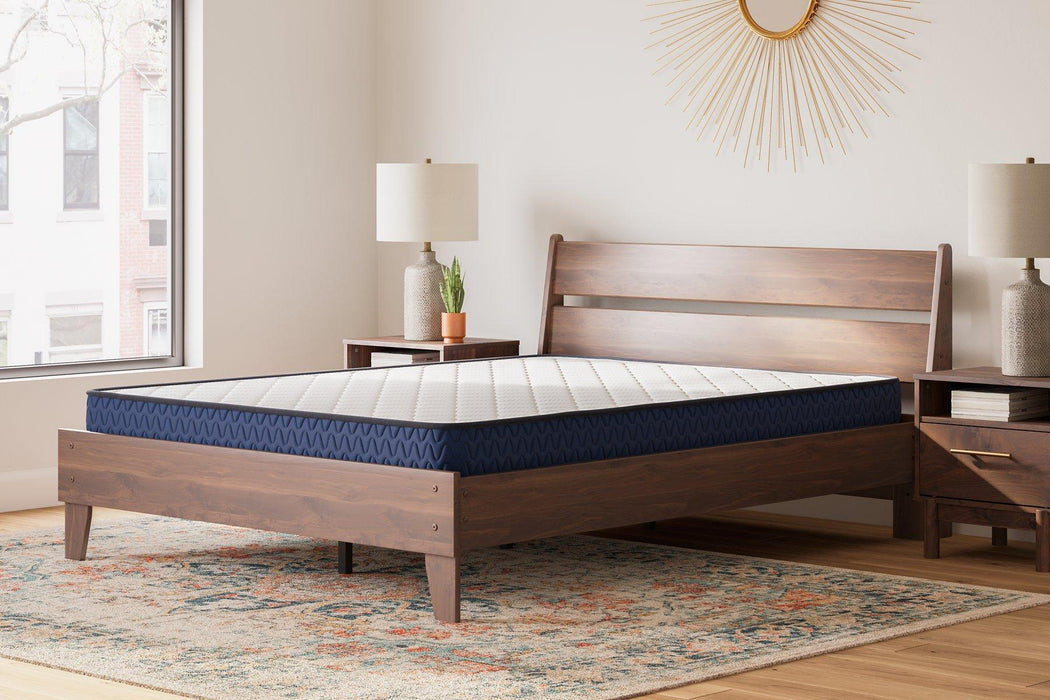
Get your best mattress collection at Big's Furniture today!
The number 1 best mattress quality in the city
Stop settling for restless nights and morning pain. Visit Big's Furniture to experience the difference that a supportive mattress makes for your sleep health and daily energy. Our sleep experts can help you find the perfect firmness level for your body type and sleep position, so you can finally achieve the good night's sleep you deserve.