
How to Pick Reclining Furniture That Fits Your Layout
Key Takeways
-
The right recliner starts with your room layout, height, body type, and everyday use, not just color, price, or whether it looks comfortable online.
-
Before browsing recliner sofas, measure the room, the delivery path, the wall clearance, and the fully reclined footprint, so you know there is enough room to recline.
-
A power recliner works well for convenience, lumbar support, headrests, and mobility issues, while manual recliners suit people who want simplicity and flexible placement.
-
The right configuration should support watching TV, conversation, walkways, and how your family actually uses the living room or family rooms.
-
Your final decision should balance comfort, durability, quality, budget, upholstery, and interior design so the furniture works beyond delivery day.
Introduction: Why Layout Comes Before the Recliner
Modern reclining furniture is deeper and more complex than a standard couch, so a piece that looks like a perfect fit on a website can crowd a room once the footrest opens. Imagine a 2026 open-plan living room in a 15’ x 18’ space: one reclining sofa can create the most comfortable spot in the house, while the wrong layout can block the TV path, the rug edge, or the walk to the kitchen.
This guide explains how to pick reclining furniture that fits your layout by focusing on space, body type, and reclining mechanisms first. The right configuration, right size, and smooth operation matter as much as style if you want ultimate comfort after a long day.

Start With Your Space, Not the Sofa
Most layout mistakes happen because people choose the sofa first and measure later. Reclining furniture needs physical room to operate, requiring precise measurement and planning for placement before purchasing a recliner.
First, map the room on paper or in a simple planning app. Mark each wall, window, radiator, vent, door swing, hallway, corner, floor lamp, console, and TV position with real measurements in feet and inches. Before purchasing a recliner, measure the area where it will be placed to ensure it fits comfortably without obstructing pathways.
Second, protect traffic flow. It is recommended to leave at least 30-36 inches for walkways when positioning recliners to avoid blocking pathways; 36 inches feels comfortable, while 42–48 inches is better for main paths in busy family rooms.
Third, tape the closed footprint on the floor, then tape the fully reclined footprint. Include the footrest, the back motion, and the space needed for people to pass when someone is napping. Also account for existing pieces, including the coffee table, side tables, chairs, media cabinet, and rug, so the recliner does not crowd or block them.
Measure for Recline Clearance and Access
Many returns happen because the recliner cannot open, hits the wall, or will not fit through the front door. When measuring for a recliner, consider not just the wall width but also the space needed for the recliner to extend and the path it takes to enter the room.
-
Upright depth is how deep the seat is when closed. Many recliner sofas need about 36–40 inches of depth when upright, and standard recliner sofas typically require 36-40 inches of depth when fully reclined, according to some compact product specifications.
-
Fully reclined depth includes the back angle and the footrest. Leave at least 12–18 inches between a fully reclined footrest and the coffee table so legs can rest without kicking furniture.
-
Wall clearance depends on the mechanism. Traditional recliners can require up to a foot of space behind them to fully extend, while wall-hugger models sit flush against the wall in tighter plans. Wall-hugger recliners require minimal space from the wall to fully recline, often needing only 2-4 inches, making them suitable for smaller rooms or apartments. Wall-saver recliners are designed to require minimal space from the wall to fully recline, making them ideal for smaller rooms or apartments. Some wall-hugger designs can recline with as little as 2 inches of backspace and 20 inches in front.
Measure the delivery route too: front door width, elevator depth, stairwells, tight turns, hallway angles, and the interior doorway into the living room. A recliner that fits the room but not the route into the room is still the wrong recliner.

Choose the Right Configuration for Your Layout
The right configuration depends on room shape, lifestyle, and how many people usually sit together. A standard reclining sofa with three seats and two or three reclining positions works well in a rectangular room where everyone faces the TV.
In a 12’ x 20’ room with the TV on the short wall, one reclining sofa opposite the screen may preserve the cleanest walkway. If the TV sits on the long wall, a sofa plus two chairs may create better viewing angles and leave a clearer path to the doors.
A reclining sectional works best in open-plan rooms, bigger families, or a corner layout where an L-shape or U-shape can anchor the space. Just check left-facing versus right-facing chaises and long sides based on where doors, hallways, and the TV are positioned.
For conversation-heavy layouts, split the seating. One reclining sofa plus a fixed loveseat, or two to three individual recliners around a coffee table, can feel more versatile than one oversized sectional. Traditional recliners feature plush cushions and elegant armrests, combining classic aesthetics with modern functionality, while modern recliners often feature tailored designs and hidden mechanisms for a seamless look that integrates into various decors.

Match Reclining Furniture to Body Types and Daily Use
Comfort depends on matching seat height, depth, and back height to different heights. A 5’2” person may need a shallower seat so feet touch the floor, while a 6’2” person may need a deeper seat and taller back for shoulder and head support.
When upright, feet should rest flat on the floor, knees should sit near 90 degrees, and the backrest should support posture without pushing the body forward. The 4-Inch Rule suggests keeping the seat heights of recliners within four inches of other seating for visual balance.
For shared homes, consider who will be using it; a versatile and durable design is essential for accommodating different body types and frequent use. If one person is much taller, mix one chair sized for that body with a reclining sofa sized for average users.
Choosing the right recliner should align with your daily activities and help alleviate stress on your lower back, whether it’s for reading, watching TV, or recovering from back pain. Rocker recliners combine the rocking motion with the relaxation of a standard recliner, making them suitable for nursing mothers and the elderly. Lift recliners are designed to assist individuals with mobility issues by lifting them to a standing position, providing both comfort and independence.
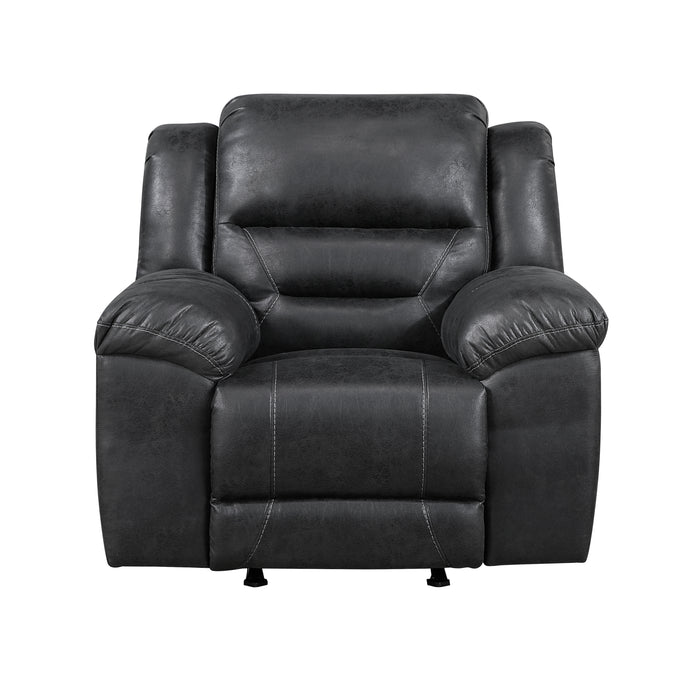
Material also affects fit and maintenance. Leather upholstery is known for its durability and luxurious feel, making it a popular choice for recliners, as it ages beautifully and is easy to clean. Fabric upholstery offers a wide variety of colors and patterns, providing a warm and inviting look, but may require more maintenance compared to leather. Performance fabrics are designed to withstand high use and resist stains, making them ideal for households with children and pets, as they are easy to maintain.

Power Recliners vs Manual Recliners in Your Layout
There is no universally better mechanism. The right recliner depends on users, outlet locations, maintenance expectations, and whether the seat is for just you or the whole household.
Power recliners allow users to adjust the reclining angle, headrest, and lumbar support at the touch of a button, making them ideal for those who prefer convenience and less physical effort. Modern recliners often include power mechanisms that allow users to adjust the recline angle with the touch of a button, providing tailored comfort. They may also include headrests, USB ports, heat, or massage features for night reading, relaxation, and everyday use.
The layout catches electricity. A power recliner needs access to an outlet, safe cord routing, and a plan that avoids running cords through walkways or under a rug where they can become a trip point. Selecting sleek, modern power recliners can help avoid overwhelming small rooms with bulky furniture.
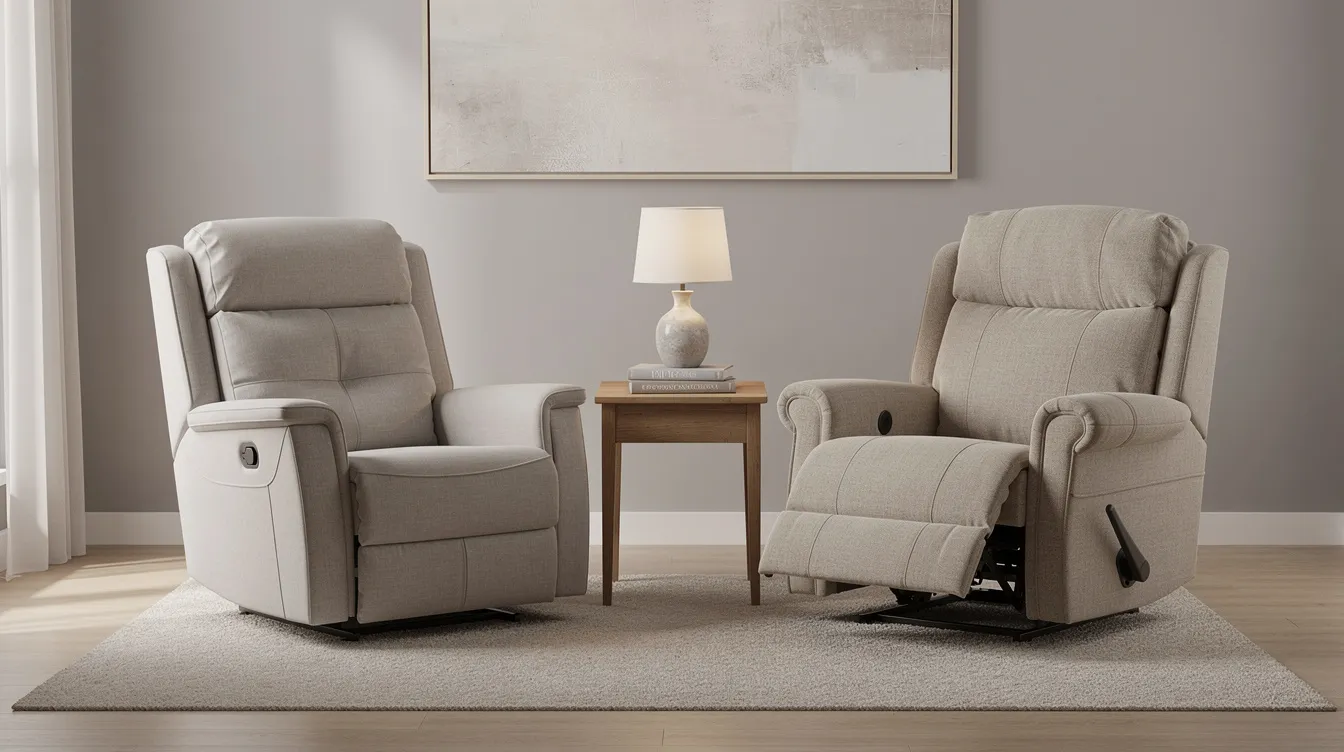
Manual recliners typically use a lever or push-back motion to recline, making them a straightforward option for those who prefer simplicity and do not want to depend on electrical outlets. Manual recliners are often easier to float in the middle of a room because there are no cords, though the user must have enough body strength to operate the lever or push-back action.
Durability and maintenance are key considerations. Power models offer fine control but include motors, switches, and wiring; manual models have fewer electrical parts but still depend on sturdy reclining mechanisms, springs, frames, and handles. A practical match is power for primary seats used daily and manual chairs for secondary seating.
Finally, make the piece match the room. Recliners should ideally be matched with the scale of existing furniture for a balanced room aesthetic. Coordinate the color palette of a recliner with existing furniture to create a cohesive look and avoid clashing. When selecting a recliner, consider how its style complements your existing home decor, as it should enhance the overall aesthetic of the room. The color of your recliner is crucial; it should harmonize with the other elements in your living space to create a cohesive look. Choosing the right material for your recliner can significantly impact its durability and maintenance, especially in homes with children or pets.
Set a budget that reflects the importance of quality and comfort when choosing a recliner, as investing more can lead to better materials and ergonomic benefits. Expect the best result when you measure, sit in the seat, test every recline position, confirm what is covered by warranty, and choose furniture that can accommodate your lifestyle for years.
FAQ
How much space should I leave in front of a recliner?
Leave at least 20–24 inches in front for many wall-hugger designs, and more for standard models if the footrest projects farther. If there is a coffee table, keep at least 12–18 inches between the fully opened footrest and the table.
Can reclining furniture work in smaller rooms?
Yes, smaller rooms can work with wall-saver or wall-hugger designs, slimmer arms, and lighter colors. Avoid oversized pieces that block doors, vents, or the main walkway.
Should every seat in a reclining sofa recline?
Not always. Reclining end seats with a fixed middle seat can reduce cost, improve durability, and still give the most-used seats the features people want.
What is the easiest upholstery to live with if I have kids or pets?
Performance fabrics are usually the easiest fabric choice for kids and pets because they resist stains and high use. Leather is also durable and easy to wipe clean, but it may show scratches depending on the finish and household habits.
How do I know if a recliner is the right size for my body?
Sit upright with feet flat, knees near 90 degrees, shoulders supported, and the head naturally resting against the back. If your legs dangle, your knees lift too high, or your neck pushes forward, keep looking for a better match.
Match Reclining Furniture to Body Types and Daily Use
Comfort depends on matching seat height, depth, and back height to different heights. A 5'2" person may need a shallower seat so that their feet touch the floor.
Shop Now at Big's Furniture for Recliner Furniture
Shop now at Big's Furniture and upgrade your home with premium recliner furniture designed for maximum comfort and everyday relaxation. Whether you're creating a cozy living room setup or looking for a personal relaxation spot, our recliners offer the perfect mix of support, softness, and style to match any interior.
Get your recliner furniture at Big's Furniture today and enjoy seating that transforms the way you relax at home. From classic manual recliners to modern designs with enhanced comfort features, each piece is built to help you unwind with ease while adding a stylish touch to your space.