
How to Choose a Mattress for Better Sleep Habits

Choosing the right mattress can feel overwhelming. With dozens of mattress types, firmness levels, and features competing for your attention, it's tempting to just pick whatever is on sale and hope for the best. But the mattress you sleep on shapes your sleep habits more than almost any other purchase you'll make. This guide walks you through exactly how to choose a mattress for better sleep habits, step by step, so you can stop guessing and start sleeping.
Key Takeaways
-
The best mattress depends on your sleep position, body weight, and any pain issues like back pain. There is no single "perfect" model for everyone.
-
Most adults sleep best on a medium to medium-firm mattress that maintains proper spinal alignment. Medium-firm mattresses rated around a 6 on the 1–10 firmness scale suit most sleepers' needs.
-
Mattress type (foam, hybrid, innerspring, latex) and temperature regulation matter just as much as firmness, especially for hot sleepers and couples sharing a bed.
-
Caring for your mattress with a sturdy base and regular use of a mattress protector helps extend its useful life to 8–10 years.
-
Always take advantage of home trial periods and test a mattress in your usual sleep position before committing.
Why Your Mattress Choice Shapes Your Sleep Habits
A good mattress does more than just feel comfortable on the first night. Over weeks and months, the right surface trains your body to fall asleep faster, stay asleep longer, and wake up without stiffness. Choosing the right mattress improves sleep quality and physical comfort in ways that compound over time, much like exercise or diet. When your body trusts the surface beneath it, you toss less, wake less, and build more consistent sleep habits.
An old mattress that's past its prime, usually after 7–10 years, often develops sagging and body impressions in the same spot night after night. Those dips pull your spine out of alignment, create pressure points at your shoulders and hips, and train your body into poor patterns like constant position shifting. If you regularly wake up at 6:30 a.m. with lower back stiffness, reach for afternoon naps, or lie awake counting the minutes, your mattress may be the silent cause rather than stress or screen time.
Sleep hygiene practices like consistent bedtimes, a cool, dark room, and limiting screens before bed are well-documented. But the mattress is the foundation that makes those habits effective. Even the best mattress can't fix a chaotic schedule, and even a perfect routine can't overcome a surface that sags or overheats. Think of the mattress as the platform everything else is built on.
The following sections will show you how to match mattress features to your sleep position, body weight, and personal needs so you can find the right mattress and build sleep habits that actually stick.
Step 1: Start With Your Sleep Position
Your sleep position is the single most important factor when you set out to choose the right mattress. The reason is simple: sleeping position affects firmness requirements for a mattress because each position places different demands on your spine.
The goal is neutral spinal alignment. When you're lying down, your ears, shoulders, and hips should form one straight line. If the mattress is too firm, it pushes against your body and creates gaps. Too soft, and you sink unevenly, curving the spine in ways that strain muscles and compress discs.
Here's something worth noting: many people think they're back sleepers but actually spend most of the night on their side. Research suggests that roughly 85% of people sleep on their side for the majority of the night. If you're unsure, try tracking your position for a few nights by noting where you wake up each morning.

Side Sleepers
Side sleepers concentrate most of their weight at two points: the shoulders and hips. Without enough cushioning, those areas develop pressure points that cause numbness, soreness, and morning stiffness. Side sleepers typically need softer mattresses for pressure relief at those contact areas.
For most side sleepers between 130 and 230 pounds, a medium soft to medium mattress, roughly 4–6 on the firmness scale, hits the right balance. Side sleepers prefer medium-soft to medium-firm mattresses that let the shoulder and hip sink in slightly while keeping the waist level.
Memory foam and hybrid mattresses with thicker comfort layers work particularly well here because they contour without letting the spine sag. The foam layers cradle those bony areas while the support layers underneath prevent you from dropping too deep.
Lighter side sleepers under 130 pounds often need even softer options. They don't compress the comfort layer enough on a firmer mattress to get adequate contouring. Heavier side sleepers over 230 pounds, on the other hand, should look for medium to medium-firm options with thicker comfort layers to prevent bottoming out.
A too-firm surface can cause hip and shoulder soreness every morning, and that discomfort quietly erodes healthy sleep habits by training you to shift positions constantly.
Back Sleepers
Back sleepers need consistent support that fills the natural curve of the lower back while preventing the hips from sinking too deeply. When the pelvis drops, the lumbar spine flattens or arches unnaturally, which leads to stiffness and back pain over time.
Back sleepers benefit from medium-firm mattresses for support, typically rated 5–7 on the firmness scale. This is the safest starting point for most people who sleep predominantly on their backs.
Hybrids or supportive foam mattresses that offer gentle contouring but feel stable rather than spongy tend to work best. You want to feel held in place, not cradled or swallowed by the surface.
People with existing back pain often do best on a medium-firm mattress that keeps the spine neutral all night. A randomized trial of 313 adults with chronic low back pain found that medium-firm beds led to significant improvements in pain and functional status compared to firm beds.
Quick test: Lie on your back and slide your hand under your lower back. If there's a large gap, the bed is too firm. If you feel like you're sinking into a hammock, it's too soft.
Stomach Sleepers
Stomach sleeping is the most challenging position for spinal health. The hips tend to sink more than the chest, creating excessive lumbar extension, essentially forcing your lower back into an arch. Stomach sleepers require firmer mattresses to prevent sinking, and most sleep experts recommend a firmness level around 7–8 on the 10-point scale.
Ultra-soft foam beds are a poor match for this position. A plush mattress or anything extremely soft allows deep sinkage at the pelvis, which increases intervertebral disc stress and intensifies morning back pain.
Many people who identify as a back or stomach sleeper combination benefit from firmer hybrids or innerspring beds with thin but comfortable top layers. These provide the firm support needed to keep hips lifted while still offering enough surface cushion to avoid a "sleeping on the floor" sensation.
If you're a frequent stomach sleeper, it's worth experimenting with a gradual transition toward side or back sleeping. The spinal alignment benefits can be significant, and the right pillow adjustment makes the switch easier than you'd expect.
Combination Sleepers
Combination sleepers shift between two or three positions throughout the night, often moving from side to back and sometimes through stomach sleeping as well. This sleep style demands a responsive surface that accommodates multiple alignment needs without fighting your movements.
The best fit for combination sleepers is a responsive, medium to medium-firm mattress that makes it easy to reposition without feeling stuck. Latex and hybrid designs shine here thanks to their bounce and quick response. Memory foam, by contrast, can feel sluggish for frequent movers because of its slower recovery time.
If you change positions often, focus on your dominant position, the one you find yourself in most mornings. If you spend more than half the night in one position, let that guide your firmness choice and use a responsive material to handle the transitions.
Good motion isolation and edge support are especially helpful for partners who move a lot during sleep, since every shift can ripple across the bed and disturb the other person.
Step 2: Match Mattress Type to Your Needs
Most mattresses fall into four main categories: foam, innerspring, hybrid, and latex. A mattress's construction affects its feel and temperature control, so understanding these categories helps you filter options quickly before narrowing to firmness and special features.
Each type handles pressure relief, bounce, temperature, and long-term durability differently, and those differences shape your nightly sleep habits in ways you'll feel within the first few weeks.

Foam Mattresses (Including Memory Foam)
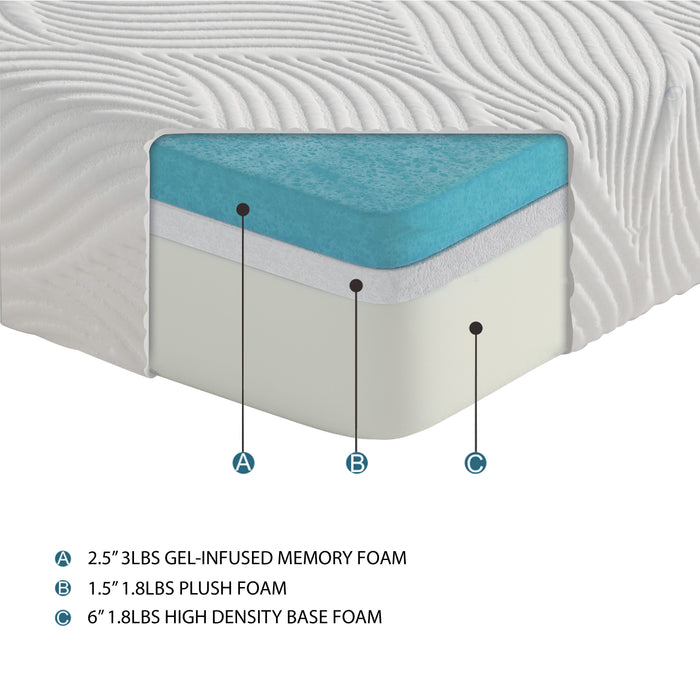
Foam mattresses include memory foam, latex, and polyurethane foam in various combinations. All foam mattresses use layers of polyfoam and memory foam to contour to the body and reduce motion transfer, with no coils involved.
They're ideal for side sleepers and people with joint pain because they relieve pressure at the shoulders, hips, and knees. The foam layers conform to your body shape and distribute weight evenly, which relieves pressure across the entire surface.
The trade-off with memory foam is heat retention. Traditional memory foam traps body heat because the dense material doesn't breathe well. Hot sleepers should look for cooling gel infusions, open-cell designs, or breathable covers. That said, gel-infused foams may not retain less heat than non-gel foams in every case, so look for mattresses that combine multiple cooling strategies rather than relying on a single feature.
Higher-density foams, around 4–5 lb/ft³ for comfort layers, tend to last longer and resist deep body impressions. Lower-density foams feel softer initially but can break down faster, sometimes within 3–4 years.
For couples and light sleepers, foam mattresses generally excel in motion isolation. Memory foam mattresses minimize motion transfer effectively, so if your partner tosses or the dog jumps up at 2 a.m., you're far less likely to notice.
Innerspring Mattresses
Innerspring mattresses offer traditional support with strong airflow thanks to the open space between coils. Innerspring mattresses use a steel-coil foundation for support topped by thinner comfort layers, creating a bouncier, more traditional feel.
They're a solid option for people who sleep hot and dislike the body-hugging sensation of foam. Innerspring mattresses retain less heat than foam mattresses because air circulates freely through the coil core.
Innerspring designs typically suit back or stomach sleeper preferences when paired with a supportive firmness level. The coil systems provide firm support and strong pushback that keeps heavier areas like hips from sinking.
When shopping for innerspring models, look for pocketed coils, also called individually wrapped coils, rather than connected coil systems. Pocketed coils isolate motion better and conform more precisely to your body shape compared to traditional bonnell or continuous coils.
One limitation: innerspring mattresses typically struggle with motion isolation, so couples may notice each other's movements more. If pressure relief is a concern, adding a separate mattress topper can compensate for the thinner comfort layers over time.
The average lifespan for innerspring mattresses tends to fall around 5.5 to 6.5 years, which is shorter than most other types.
Hybrid Mattresses
Hybrid mattresses combine foam layers with a coil support system, aiming to deliver the best of both worlds. The coil core, usually pocketed coils, provides bounce, airflow, and deep support, while the thicker foam or latex comfort layers on top offer contouring and pressure relief.
This makes hybrid mattresses versatile choices for couples, combination sleepers, and people with mild to moderate back pain. Hybrid mattresses can also provide good motion isolation when paired with individually wrapped coils and dense foam tops.
Models with zoned support, where coils are firmer under the hips and softer under the shoulders, are especially effective for sleepers who need targeted alignment. Many high-quality mattress designs released between 2024 and 2026 use hybrid construction as a balanced solution for a wide range of body types.
Durability for hybrids generally lands between 6.5 and 7.5 years under average use, though comfort layers can compress before the coils wear out. For sleepers over 230 pounds, survey data shows sagging occurs in roughly 41% of hybrids compared to about 68% of traditional innerspring mattresses.
Latex Mattresses
Latex mattresses are made from the liquid of rubber trees, processed into either Dunlop or Talalay foam. The result is a buoyant, responsive, slightly springy surface that feels distinctly different from memory foam.
Latex mattresses are naturally breathable and responsive, which makes them appealing for hot sleepers and eco-conscious buyers. The open-cell structure allows more airflow than traditional foam, and natural latex resists body impressions better over time.
They're a strong match for combination sleepers who want easy repositioning without the slow sink of memory foam. Latex often feels medium to medium firm out of the box, making it suitable for many back and side sleepers without additional customization.
The downsides: latex beds tend to be heavier and more expensive than foam or innerspring alternatives. Make sure your bed frame or foundation can support the weight, especially for king mattresses or thicker mattresses with multiple latex layers. Natural latex models can last 7.5 to 8.5 years or longer, making them among the most durable mattress types available.
Step 3: Factor in Body Weight and Body Shape
The same "medium" mattress can feel soft to a 120-pound sleeper and firm to a 250-pound sleeper. That's because body weight affects the necessary level of mattress support and determines how deeply you compress the comfort layers.
It's also worth understanding that the firmness of a mattress is not the same as its support. Firmness describes how the surface feels when you first lie down. Support describes how well the mattress keeps your spine aligned over the full night. A bed can feel soft on the surface while still providing solid support through its deeper layers, or feel firm on top while offering poor alignment underneath.
Firmness is rated on a scale from 1 to 10, with 1 being extremely soft and 10 being extremely firm. Where you carry your weight, whether at the hips, midsection, or shoulders, also influences how deep you sink and where you need the most pushback.

Under 130 Pounds
Lighter sleepers don't compress mattress layers as deeply as average or heavier individuals. As a result, many beds labeled "medium-firm" may feel overly hard, almost like sleeping on top of the mattress rather than in it. Lighter individuals may prefer softer surfaces for comfort that allow their bodies to actually engage the contouring layers.
For side sleepers in this weight range, soft to medium options (roughly 3–5 on the firmness scale) help avoid shoulder and hip pressure. A plush euro top or a generous comfort layer can make a significant difference.
Lighter back or stomach sleepers may still prefer medium firmness, but with generous foam layers or comfort padding that activates under lower weight. Look for mattress companies that specifically advertise pressure relief and contouring for petite or lightweight body types.
Very firm beds can actually discourage healthy sleep habits in lighter sleepers by causing frequent position changes due to discomfort, leading to fragmented sleep architecture and daytime fatigue.
130–230 Pounds
Most firmness scales and mattress firmness labels are designed around this middle-weight range, so what a manufacturer calls "medium-firm" is most accurate for sleepers in this bracket.
A medium to medium firm mattress, rated 5–7 on the scale, works well for the majority of sleepers here, adjusted slightly based on sleep position:
|
Sleep Position |
Recommended Firmness |
Why |
|---|---|---|
|
Side |
4–6 (medium) |
Allows hip/shoulder sink for alignment |
|
Back |
5–7 (medium-firm) |
Supports lumbar curve without sagging |
|
Stomach |
6–8 (medium-firm to firm) |
Prevents hip sink and arching |
Hybrids and higher-density foam mattresses often provide the best mix of comfort, support, and durability for this range. If you deal with chronic back pain or hip pain, use trial periods to fine-tune firmness rather than guessing from a product page.
Over 230 Pounds
Heavier sleepers sink more deeply into comfort layers, which means a bed that's rated "medium" may feel closer to a plush comfort level in practice. This deeper compression can cause the hips to drop below the shoulders, throwing off alignment.
Medium-firm to firm mattresses (6–8 on the scale) with robust support cores and thicker overall profiles, 12–14 inches or more, are the safest bet. Heavier sleepers often require firmer support to maintain alignment, especially in stomach and back sleeping positions.
Hybrid designs with strong coil systems and denser foams tend to hold up best for this group. A firmer mattress with a high coil count and reinforced edges resists the sagging that can develop within a year or two on less durable models.
Stomach sleepers in this weight range especially need firm support to limit hip sink and reduce back pain risk. Couples with very different body weights should consider zoned support or dual-firmness setups, such as adjustable mattresses or split configurations, to keep both partners comfortable.
Step 4: Key Features That Improve Long-Term Sleep Habits
Beyond type and firmness, a handful of features can make or break your nightly experience. Choosing the right combination of cooling, motion isolation, edge support, and pressure relief prevents the kind of disruptions that quietly erode sleep quality over months.
Think of this section as a checklist. Prioritize the 2–3 features that address your biggest pain points, whether that's waking up sweaty, feeling your partner's every movement, or dealing with morning stiffness.
Cooling and Temperature Regulation
Temperature regulation is important for sleep comfort, and hot sleepers, people who frequently wake up sweaty or kick off blankets, need to pay special attention to mattress materials.
Hybrid mattresses and innerspring mattresses tend to offer better airflow because the coil core acts as a natural ventilation system. All foam mattresses, particularly traditional memory foam, can trap heat against the body.
If you prefer foam but sleep hot, look for specific cooling technologies:
-
Cooling gel infusions embedded in the foam
-
Open-cell foam structures that allow air to pass through
-
Phase-change materials (PCMs) in the cover that absorb and release heat
-
Graphite or copper additives that increase thermal conductivity
Breathable covers can help maintain a comfortable surface temperature regardless of what's underneath, and cooling covers can significantly improve a mattress's overall cooling performance. Some tests have shown that PCM layers and advanced cover materials can reduce surface skin temperature by up to 25% compared to standard foam.
Using a breathable mattress protector and lightweight bedding further supports the goal to sleep cooler without sacrificing protection.
Pressure Relief and Back Pain Support
People with back pain, arthritis, or chronic joint soreness need a balance of contouring and pushback. The mattress should cushion pressure points, especially at the shoulders and hips, without letting the pelvis drop so low that the spine curves unnaturally.
Medium-firm mattresses with moderate sinkage tend to strike this balance best. A systematic review of 24 controlled trials found that medium-firm mattresses or custom-adjusted mattresses were optimal for comfort, sleep quality, and spinal alignment across subjects with and without existing back pain.
Zoned support, where the mattress is firmer under the hips and slightly softer under the shoulders, can be particularly helpful for keeping the spine aligned while still offering plush comfort where you need it.
Practical check: Can you get out of bed easily without bracing or rolling to one side? If not, the mattress may be too soft, and that daily struggle is a subtle sign of inadequate support.
A new mattress is not a cure-all. But the right support can reduce pain levels and help build more consistent sleep habits over weeks as your body stops bracing against discomfort.
Motion Isolation and Edge Support
Motion isolation describes how well a mattress prevents one person's movement from traveling across to the other side. Couples benefit from mattresses with low motion transfer, and this is especially true when partners have different schedules or one person is a restless sleeper.
Foam mattresses generally excel in motion isolation, with memory foam mattresses minimizing motion transfer most effectively. Hybrid mattresses can also provide good motion isolation when they use pocketed coils beneath dense foam layers. Innerspring mattresses typically struggle with motion isolation because connected coils transfer vibrations across the full surface.
Edge support refers to how stable the mattress feels around its perimeter. Strong edge support matters for:
-
People who sit on the side of the bed to get dressed
-
Sleepers who drift toward the edge during the night
-
Older adults or those with back pain who need a stable edge for getting in and out of bed
-
Partners who each want to use the full width of the mattress
Couples sharing a bed should treat motion isolation and edge support as a combined priority for shared sleep quality.
Durability and Warranty Basics
A high-quality mattress should maintain solid support for at least 7–10 years with proper care. A mattress can last 8–10 years when paired with the right foundation, regular rotation, and consistent protection.
Indicators of long-term durability include:
-
Higher-density foam in comfort and support layers
-
Strong coil systems with lower gauge (thicker) wire
-
Reinforced edge support
-
Quality cover fabrics that resist pilling and tearing
When comparing warranties, check what actually counts as a defect. Many mattress companies only cover body impressions deeper than 1–1.5 inches, so a gradual softening that doesn't reach that threshold won't qualify. A generous sleep trial of 100 nights or more lets you test whether the mattress truly supports better sleep habits before the decision becomes permanent. Home sleep trials allow time to adjust to a new mattress, which is important since your body and the materials both need a few weeks to settle.
Proper use of a compatible foundation and a mattress protector often keeps warranties valid, so don't skip those steps.
Step 5: Practical Buying Tips in 2024–2026
Shopping for a mattress in 2024–2026 looks different from it did a decade ago. You can buy a mattress online and have it delivered in a box, walk into a showroom and test 40 models, or mix both approaches. The goal is to balance budget, trial policies, and real comfort rather than chasing hype or limited-time sales.
Before you start, write a short checklist: your primary sleep position, weight range, whether you sleep hot, any back pain concerns, and whether you share the bed with a partner. This list eliminates at least half the options immediately.
Online vs. In-Store Shopping
Buying a mattress online is convenient, often lower cost, and supported by lengthy home trial periods, sometimes 100 to 365 nights. You can research, compare, and order from your couch. The downside is that you can't test firmness and feel before it arrives.
In-store shopping lets you test immediately, but a mattress may feel different in a showroom compared to at home after use. Showroom conditions, the brief time you spend on it, and even the ambient temperature affect perception. Most mattresses fall into a narrower comfort range in person than they do on your bed over several weeks.
Best approach: Research mattress types and firmness levels online, build a short list of 2–3 options, then test similar firmness levels and types in a local store if possible.
When evaluating return policies, look for transparent terms: any pickup fees, minimum break-in periods (some companies require 30 nights before allowing a return), and whether the company handles haul-away.
Avoid making a decision based on a 30-second "showroom bounce." Lie in your usual sleep position for at least 10 minutes per bed to get a meaningful sense of how the mattress feels under real conditions.
Adjustable air mattresses allow firmness adjustments via air chambers, which can be an option for couples who can't agree on firmness or for sleepers whose sleep preferences change over time.
Budget and Price Expectations
Mattress prices vary widely. Here's a realistic breakdown for queen-size models:
|
Price Range |
What You Typically Get |
|---|---|
|
Under $600 |
Lower-density foams, thinner comfort layers, fewer coils, weaker edge support |
|
$800–$1,500 |
Higher-density foam, better coil systems, cooling technologies, and zoned support |
|
$1,500–$3,000+ |
Natural latex, high coil counts, organic covers, advanced zoning, luxury fabrics |
Many sleepers find their best value in the $1,000–$2,000 range, where you get a quality mattress with durable materials, reasonable cooling features, and warranties that reflect confidence in the product.
Choosing the cheapest option solely is risky. A different mattress that costs $300 more but lasts 3 years longer and doesn't cause morning back pain is a far better investment per night of sleep.
Compare total value: trial length, warranty terms, free delivery, and old mattress haul-away. Some mattress brands include all of these, while others charge separately for each.
Plan purchases around predictable sale periods like holiday weekends or late fall when many mattresses fall into their deepest discounts. But don't rush into an impulse buy just because of a countdown timer on a website.
How to Maintain Your Mattress for Consistent Sleep
Once you invest in a good mattress, protecting it helps maintain support, hygiene, and the sleep habits you've built. Basic care isn't complicated, but it does require consistency.
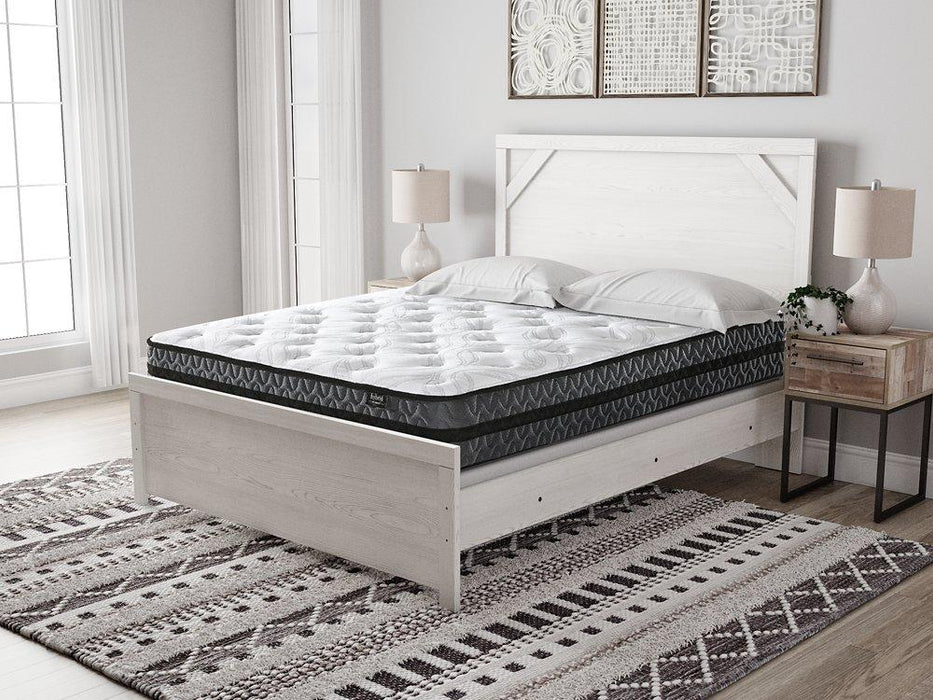
Rotate Your Mattress Regularly
Rotate your mattress 180 degrees every 3–6 months to spread out wear patterns and body impressions. This prevents the formation of dips in the same spot night after night, which can pull your spine out of alignment even on a relatively new mattress.
Most modern mattresses are one-sided and should not be flipped unless explicitly labeled as flippable. Rotation alone is sufficient for these models.
Rotation is especially important when one sleeper is significantly heavier than the other, as uneven compression accelerates wear on one side. Set calendar reminders for January, April, July, and October to keep rotations consistent.
Even with regular rotation, no mattress lasts forever. But this simple habit contributes to more even support and delays the development of uncomfortable ruts that harm sleep quality.
Use the Right Foundation and Support
A sturdy, even base is critical to prevent sagging and premature wear, regardless of how much you spent on the mattress itself. The wrong foundation can ruin a good mattress within a year or two.
Foundation guidelines by mattress type:
-
Foam and hybrid mattresses: slatted bases with slats no more than about 3 inches apart, or a solid platform foundation
-
Latex mattresses: need especially strong support due to their weight
-
Innerspring mattresses: can work with a traditional box spring or platform
Queen and king sizes should have center support legs to carry weight without bowing in the middle. Improper foundations can void warranties, so confirm compatibility with the manufacturer's guidelines before setting up your bed.
Check the frame annually for loosened screws, bent metal, or cracked slats that might affect mattress performance. A five-minute inspection once a year can prevent months of poor sleep from a gradually failing base.
Always Use a Mattress Protector
Use a mattress protector from day one. This is one of the simplest steps to extend the life of any mattress and maintain a clean sleep environment.
A good mattress protector should be breathable, quiet (no crinkling sounds), and waterproof to keep the mattress core dry and free from body oils, sweat, and spills. Use a mattress protector to extend lifespan and guard against the slow buildup of moisture that breaks down foam and fabrics from the inside.
Many warranties become void if the mattress is stained or shows signs of liquid damage, making a protector both a hygiene tool and a financial safeguard.
Wash the mattress protector every 1–2 months along with your sheets to keep it fresh. Consistent use of a mattress protector helps preserve a high-quality mattress for the full 8–10 year lifespan you're paying for.
Basic Cleaning and Allergen Control
Clean your mattress every few months to remove allergens, dust, pet hair, and dead skin cells that accumulate on and within the surface layers. A simple vacuuming of the mattress surface every 3–6 months handles the majority of buildup.
For spot cleaning, use mild detergent and minimal liquid. Avoid soaking your mattress when cleaning spills, as excess moisture can damage foam layers and create conditions for mold growth. Blot, don't saturate.
People with allergies or asthma can benefit from encasement-style protectors that fully enclose the mattress, creating a barrier against dust mites and other common allergens. Even standard protectors significantly reduce the amount of biological material that reaches the mattress surface.
When changing bedding, let the mattress air out for a few hours with windows open if possible. This releases trapped moisture and odors, keeping the sleep surface fresh. A clean, low-allergen mattress supports better breathing and fewer nighttime awakenings, both of which reinforce strong sleep habits.
FAQs About Choosing a Mattress for Better Sleep Habits
These answers cover common questions that go beyond the step-by-step guide above. Use them to refine your checklist before buying a new mattress or adjusting your current setup.
How often should I replace my mattress if I want to protect my back?
Most good mattresses last about 8–10 years with proper care, but heavy use, higher body weight, or a poor foundation can shorten that window to 6–8 years. Warning signs include visible sagging, lumps, or consistently waking up with new back pain or stiffness that wasn't there a year ago.
Start evaluating an old mattress once it reaches about 7 years. If you're regularly waking with discomfort that improves during the day, that's a strong signal the mattress has lost the support it once provided. Planning ahead avoids the trap of sleeping on a degraded surface for months while debating whether to replace it.
Can a mattress really fix my back pain, or should I see a doctor first?
A mattress alone cannot diagnose or cure medical conditions causing back pain. However, a supportive medium-firm mattress can reduce strain on your spine and improve sleep habits, which may lessen pain intensity and morning stiffness over several weeks.
If your back pain lasts more than a few weeks, gets progressively worse, or includes numbness, tingling, or weakness in the legs, consult a healthcare professional before assuming a mattress swap is the solution. The mattress is one piece of the puzzle, not a medical treatment.
What if my partner and I prefer totally different firmness levels?
This is more common than people admit. Start by looking for mattresses with zoned support that naturally provide a slightly different feel under each area of the body. Some models are firmer under the hips and softer under the shoulders, which can partially bridge the gap between different sleep preferences.
If the difference is significant, consider a split king setup where each person selects their own mattress while sharing one large frame. This works especially well when paired with an adjustable base. As a middle ground, you can compromise near medium or medium firm and fine-tune each side with individual toppers for a different mattress feel without buying two separate beds.
How long does it take to know if a new mattress really works for me?
Most people need about 3–4 weeks for both the mattress materials and their bodies to fully adjust. New foam and hybrid models in particular may feel slightly different during the first week as the materials break in and conform to your body shape.
During this period, use the mattress every night and keep other variables like bedtime, pillows, and room temperature consistent. Don't judge the mattress based on a single good or bad night.
Take advantage of trial periods, but give it at least 30 nights before deciding to return or exchange. Many sleepers who initially think a mattress feels too firm or too soft find that their opinion shifts meaningfully after the adjustment period.
Do I need a special mattress if I'm a hot sleeper?
Hot sleepers benefit from mattresses with strong airflow and temperature-regulating materials, but you don't necessarily need a specialty product. Hybrid mattresses and innerspring mattresses with coil cores provide natural ventilation that most foam mattresses can't match.
If you prefer foam, prioritize models that feature multiple cooling strategies: cooling gel infusions, perforated foam for airflow, and breathable cover fabrics. A single cooling feature, like gel alone, often isn't enough to make a meaningful difference.
Pairing the right mattress with a lightweight, breathable mattress protector and natural-fiber sheets (cotton, Tencel, or bamboo) creates a complete cooling system that helps you sleep cooler without sacrificing support or comfort.
Shop Mattress Collection at Big's Furniture
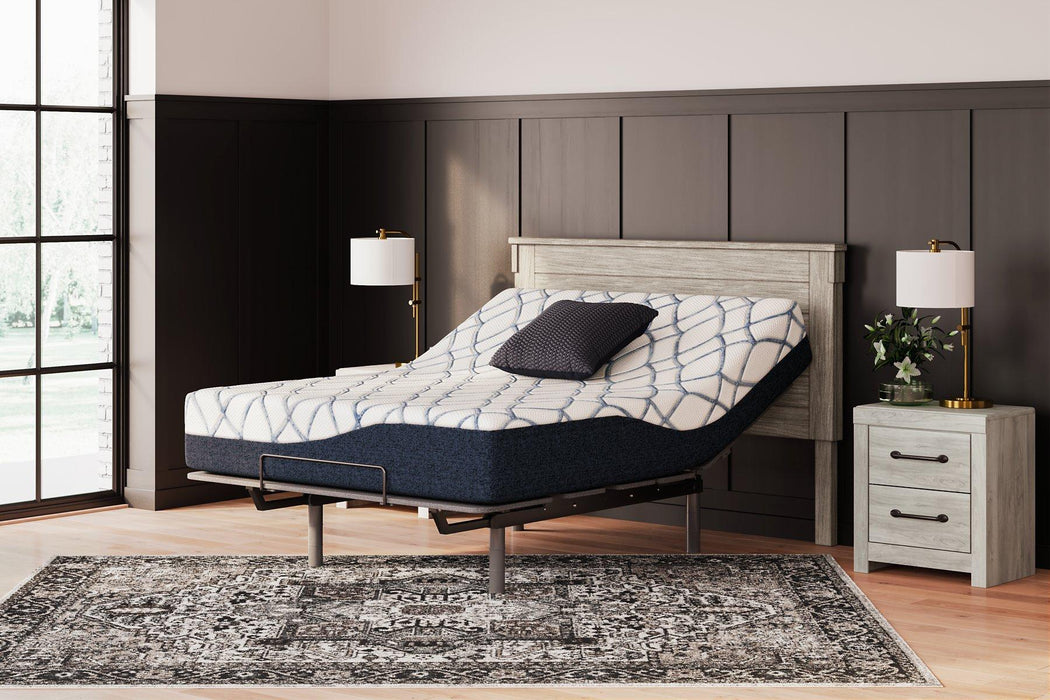
Find the comfort you've been looking for with the Mattress Collection at Big's Furniture. Whether you're upgrading your primary bedroom, furnishing a guest room, or replacing an old mattress, our selection offers quality options that combine lasting support with exceptional comfort.
Visit Big's Furniture today to explore our Mattress Collection and find the mattress that's right for your sleep needs. Our knowledgeable team is here to help you compare features and comfort levels, ensuring you leave with a mattress that helps you enjoy better sleep night after night.